Choosing a Dental Clinic for First Dental Visit for Children in Rajkot
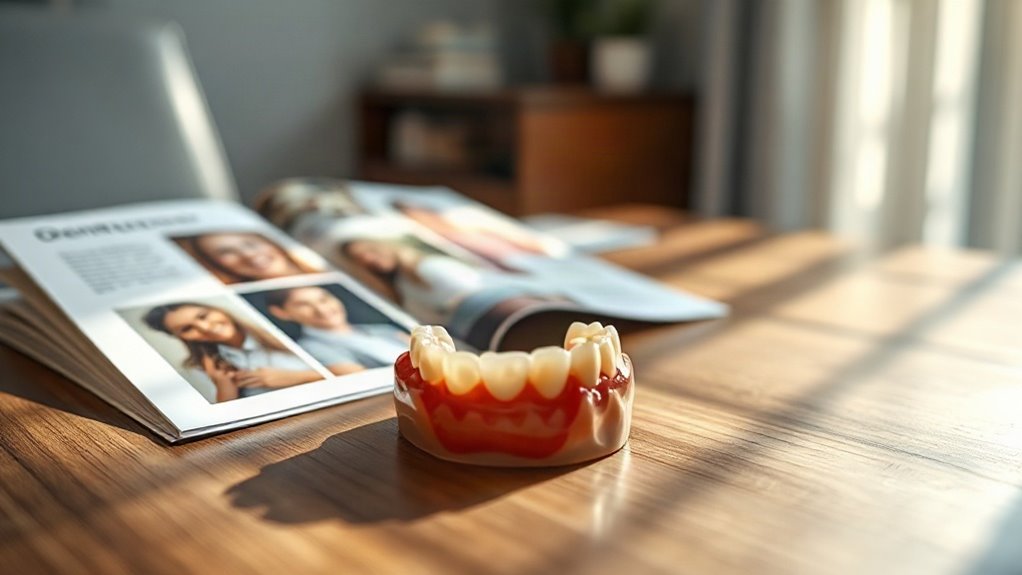
It is normal to have questions before you book a dental visit, especially when symptoms are new. A first dental visit helps a child become familiar with the clinic while the dentist checks tooth growth, gums, habits, and early risk factors. This guide looks at choosing a clinic in a way that is easy to use. The aim is to help you prepare for a useful talk with a dentist.
You can make a better choice when you know what to ask, what signs matter, and how follow-up works. No two mouths are exactly alike. Age, gum health, bite, past dental work, habits, and health history can all affect the plan. That is why online advice should support a dental visit, not replace one.
Start by thinking about your main concern and how long it has been present. If you are reviewing local providers, dentist rajkot may be one search phrase you use before checking which clinic can explain your options in plain language. Then look for a clinic that can explain what it finds and show you the choices. A patient who understands the plan is in a better position to care for the result.
Brief Overview
- Prompt advice is important when pain, swelling, bleeding, or damage is getting worse.
- First Dental Visit for Children should be considered in the context of the whole mouth, not as an isolated label.
- A dental exam helps confirm the cause before treatment is chosen.
- Clear questions about options, timing, comfort, and follow-up make decisions easier.
- Daily cleaning and sensible habits support both natural teeth and dental work.
The Basics of First Dental Visit for Children
A first dental visit helps a child become familiar with the clinic while the dentist checks tooth growth, gums, habits, and early risk factors. It helps to understand the reason for each step. The same symptom or goal can have more than one cause. That is why a dental exam matters before any treatment choice is made. Ask for simple words if a term is not clear.
It also helps to separate the problem from the treatment name. A patient may arrive with one idea and learn that another option fits better. The dentist should explain what is healthy, what needs care, and what can be watched. Ask what will happen if you delay care. A simple explanation makes it easier to take part in the decision.
Preparing for a Clear Dental Consultation
A useful consultation starts before you sit in the dental chair. Bring a list of medicines, health conditions, past dental work, and your main questions. If dental clinic rajkot you have pain, describe where it is and what sets it off. If you feel anxious, say so at the start of the appointment. This information can help the dentist focus the exam.
The visit is usually simple and may include a gentle look at the teeth, discussion with the parent, and brushing or diet advice. Ask what the dentist is looking for during the exam. If an image or scan is advised, ask what question it is meant to answer. You should also know which findings are certain and which still need more checking. A clear visit ends with a next step that makes sense to you.
How Technology Can Support Dental Planning
A dentist should be able to explain what a scan or image adds to the plan. Digital scans can record tooth shape without a traditional impression in some cases. The important point is not the tool itself. The tool should answer a clinical question and help the dentist plan care. You can ask what new information a scan or image provides.
The visit is usually simple and may include a gentle look at the teeth, discussion with the parent, and brushing or diet advice. Digital records may also make it easier to compare changes over time. Even so, technology does not replace a careful exam or a clear talk with the patient. The final plan still needs to fit health, comfort, goals, and maintenance. Good technology is most useful when it makes the decision easier to understand. When comparing local care, people may search for best dentist rajkot, but the final choice should match the problem, the plan, and the level of communication.
Building a Dental Plan You Can Understand
Start with the diagnosis and ask what evidence supports it. Next, ask which treatment is needed now and which part is optional. Compare the full plan rather than a single procedure name. Then compare how each choice affects healthy tooth structure, comfort, cleaning, and future care. This turns a large decision into a few clear questions.
Cost matters, but it is only one part of the choice. Ask what the quoted fee includes and whether later visits or final restorations are separate. Check how many appointments may be needed. If the plan is complex, ask for it in stages. Take notes if several choices are discussed.
Frequently Asked Questions
Why does First Dental Visit for Children matter for oral health?
A first dental visit helps a child become familiar with the clinic while the dentist checks tooth growth, gums, habits, and early risk factors. The effect can be small or more involved depending on the cause and how long it has been present. A dental exam helps show what needs care now and what can be watched. That is more useful than guessing from one symptom.
What signs mean I should ask about First Dental Visit for Children?
Do not wait for pain if a child already has teeth, because a calm preventive visit is often easier than an urgent one. You should seek faster advice if swelling, severe pain, heavy bleeding, fever, or trouble swallowing develops. If the change is mild but keeps returning, it still deserves a planned visit.
What can I expect at a consultation for First Dental Visit for Children?
The visit is usually simple and may include a gentle look at the teeth, discussion with the parent, and brushing or diet advice. The dentist may also ask about past treatment, medicines, habits, and your goals. Tests or images should be used when they add useful information. You can ask the dentist to explain each finding in simple words.
How are options for First Dental Visit for Children compared?
If a problem is found, the dentist can explain small next steps and how to make future visits more comfortable. The right plan can differ from one person to another. Ask about benefits, limits, timing, maintenance, and any reasonable alternative. A clear plan should match the diagnosis rather than a popular treatment name.
What daily habits can help with First Dental Visit for Children?
Choose a relaxed time of day, avoid scary words, and bring useful health details or questions about the child's mouth. Use home care to support professional advice, not to replace needed treatment. If symptoms get worse or a new problem appears, contact a dental professional. Steady habits are usually easier to maintain than sudden short-term changes.
Summarizing
A sound dental plan should be clear, practical, and easy to maintain. For first dental visit for children, start with a proper assessment and ask what the dentist has found. Compare choices by health, comfort, upkeep, time, and cost rather than one feature alone. Make sure you know what happens next.
Choose a relaxed time of day, avoid scary words, and bring useful health details or questions about the child's mouth. If symptoms change or become severe, seek timely dental advice rather than relying on home remedies. If you are unsure, ask for the plan in simpler terms before you agree to treatment. A clear plan and steady home care can make long-term dental care easier to manage.